


BLOG
Blogbeiträge zu Murano und Burano
Unter den Kreationen, die Murano weltweit berühmt gemacht haben, nimmt der Kronleuchter einen besonderen Platz ein . Seine eleganten Formen, der Glanz des Kristalls und die vollständig von Hand gefertigten Verzierungen sind das Ergebnis einer Tradition, die Kunst, Technik und handwerkliches Können vereint – doch seine Geschichte ist viel jünger als die der Glasverarbeitung. Jahrhundertelang stellten die Glashütten von Murano nämlich vor allem Gegenstände des täglichen Gebrauchs her: Gläser, Kelche, Spiegel und kostbare Stücke für Adelsfamilien und europäische Höfe. Die Beleuchtung der Häuser erfolgte fast ausschließlich durch Kerzen und Öllampen , getragen von Gestellen aus Holz, Eisen oder Bronze, während Glas hauptsächlich zur Verschönerung von Fenstern und Einrichtungsgegenständen diente. Erst zwischen dem Ende des 17. und dem 18. Jahrhundert begannen die Meister aus Murano, den Kronleuchter in ein Kunstwerk zu verwandeln . Venezianische Adelspaläste und europäische Höfe verlangten nach immer prunkvolleren und eindrucksvolleren Stücken, die das Kerzenlicht widerspiegeln und zum Mittelpunkt der Repräsentationsräume werden konnten. In dieser Zeit entstand der berühmte Rezzonico-Kronleuchter , der bis heute als eines der Symbole der Glaskunst von Murano gilt. Er zeichnet sich durch zahlreiche, auf mehreren Ebenen angeordnete Arme aus und ist mit von Hand geformten Blumen, Blättern, Früchten und Voluten verziert. Jedes Element wird einzeln gefertigt und trägt zu jenem harmonischen Gesamtbild bei, das jeden Kronleuchter zu einem Unikat macht . Mit dem Aufkommen der elektrischen Beleuchtung entwickelten sich die Kronleuchter aus Murano in Design und Größe weiter, ohne auf die von Generation zu Generation überlieferten traditionellen Techniken zu verzichten. Neben den klassischen Modellen entstanden zeitgenössische Interpretationen, doch die handwerkliche Fertigung bleibt das Markenzeichen jeder Kreation . Wie ein Kronleuchter aus Murano entsteht Die Herstellung eines Kronleuchters erfordert die Arbeit mehrerer spezialisierter Fachkräfte . Das Metallgestell wird separat vorbereitet, während in den Glashütten alle Glaselemente einzeln geformt werden: Arme, Schalen, Blumen, Blätter, Anhänger und Verzierungen. Jedes Bauteil wird geblasen oder heiß bearbeitet , langsam abgekühlt und veredelt, bevor es zusammengesetzt wird. Erst wenn alle Teile fertig sind, beginnt die Montage – ein Arbeitsschritt, der große Präzision und Erfahrung erfordert. Bei den bedeutendsten Modellen kann die Zahl der Elemente mehrere Hundert erreichen, und die Montage kann mehrere Arbeitstage in Anspruch nehmen. Nach der Fertigstellung wird der Kronleuchter für den Transport oft wieder zerlegt und direkt an seinem endgültigen Bestimmungsort erneut aufgebaut . Noch heute fertigen die Glashütten von Murano große Installationen für historische Paläste, Hotels, Theater, Botschaften und Privatresidenzen in aller Welt . Der Besuch einer Glashütte in Murano ermöglicht es, diese außergewöhnliche Arbeit aus nächster Nähe zu beobachten. Hinter jedem Kronleuchter verbergen sich Stunden der Arbeit, Hunderte präziser Handgriffe und ein Wissen, das seit über sieben Jahrhunderten weitergegeben wird und eine der raffiniertesten Ausdrucksformen des venezianischen Kunsthandwerks lebendig hält.
Erfahren Sie, wie echte Burano-Spitze entsteht: Nadelspitzentechnik, lange Arbeitszeiten und das von Generation zu Generation weitergegeben wird.
Wenn man an venezianisches Glas denkt, kommt einem ganz selbstverständlich sofort Murano in den Sinn. Und doch befanden sich die Glashütten mehrere Jahrhunderte lang nicht auf der Insel . Vor 1291 arbeiteten die Glasmeister vor allem in Venedig , verteilt auf verschiedene Viertel der Stadt. Die Öfen lagen in der Nähe von Wohnhäusern, Lagerhallen und Kanälen, über die die Rohstoffe ankamen und die Erzeugnisse zu den Märkten des Mittelmeers aufbrachen. Die Glasverarbeitung war bereits hoch entwickelt . Die Meister beherrschten die Techniken des Glasblasens, der Heißformung und der Verzierung – Fertigkeiten, die aus der Begegnung zwischen römischer Tradition und dem Wissen aus dem byzantinischen Osten entstanden waren. Venedig, Knotenpunkt von Handel und Kulturen , hatte es verstanden, diese Erfahrungen zu sammeln und zu vervollkommnen. Doch es gab ein Problem. Die Öfen brannten Tag und Nacht und erreichten extrem hohe Temperaturen . In einer Stadt, die fast vollständig aus Holz gebaut war, bestand ständige Brandgefahr . Die venezianischen Behörden beschlossen daher, alle Glashütten nach Murano zu verlegen – auf eine Insel, die nah genug lag, um die Arbeit der Handwerker nicht zu unterbrechen, aber weit genug entfernt, um die Gefahren für die Stadt zu verringern. Der Beschluss von 1291 markierte nicht den Beginn der venezianischen Glaskunst, sondern einen Wendepunkt in ihrer Geschichte . Indem die Republik die Meister an einem Ort vereinte, förderte sie die Entstehung eines hochspezialisierten Zentrums , in dem die Techniken verfeinert und von Generation zu Generation weitergegeben werden konnten. Von diesem Moment an wurde der Name Murano zunehmend zum Synonym für Exzellenz . Noch heute ist es beim Spaziergang durch die Gassen der Insel schwer vorstellbar, dass alles auf der über Jahrhunderte in den venezianischen Glashütten gesammelten Erfahrung beruht. Und doch war es gerade diese Verlegung, beschlossen vor über siebenhundert Jahren , die Murano zur Welthauptstadt der Glaskunst gemacht hat. Ein Besuch in Murano bedeutet, diese außergewöhnliche Entwicklung nachzuvollziehen. Wer eine Glashütte betritt und den Glasmeistern bei der Arbeit zusieht, versteht, wie eine alte Tradition, in Venedig geboren und auf der Insel vervollkommnet , bis heute vor den Augen der Besucher lebendig bleibt.
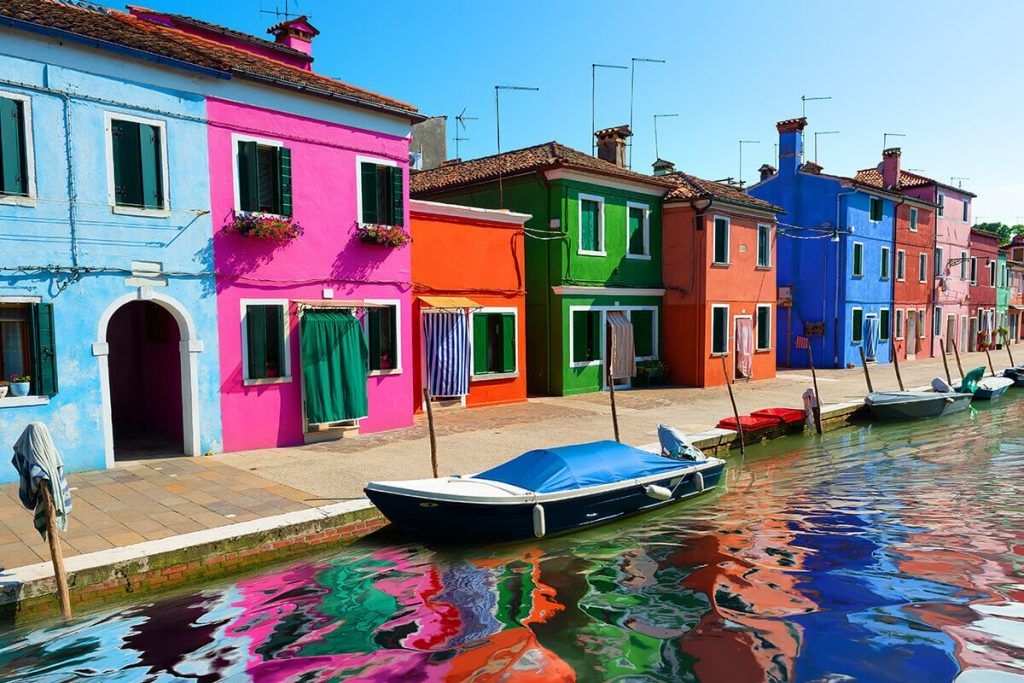
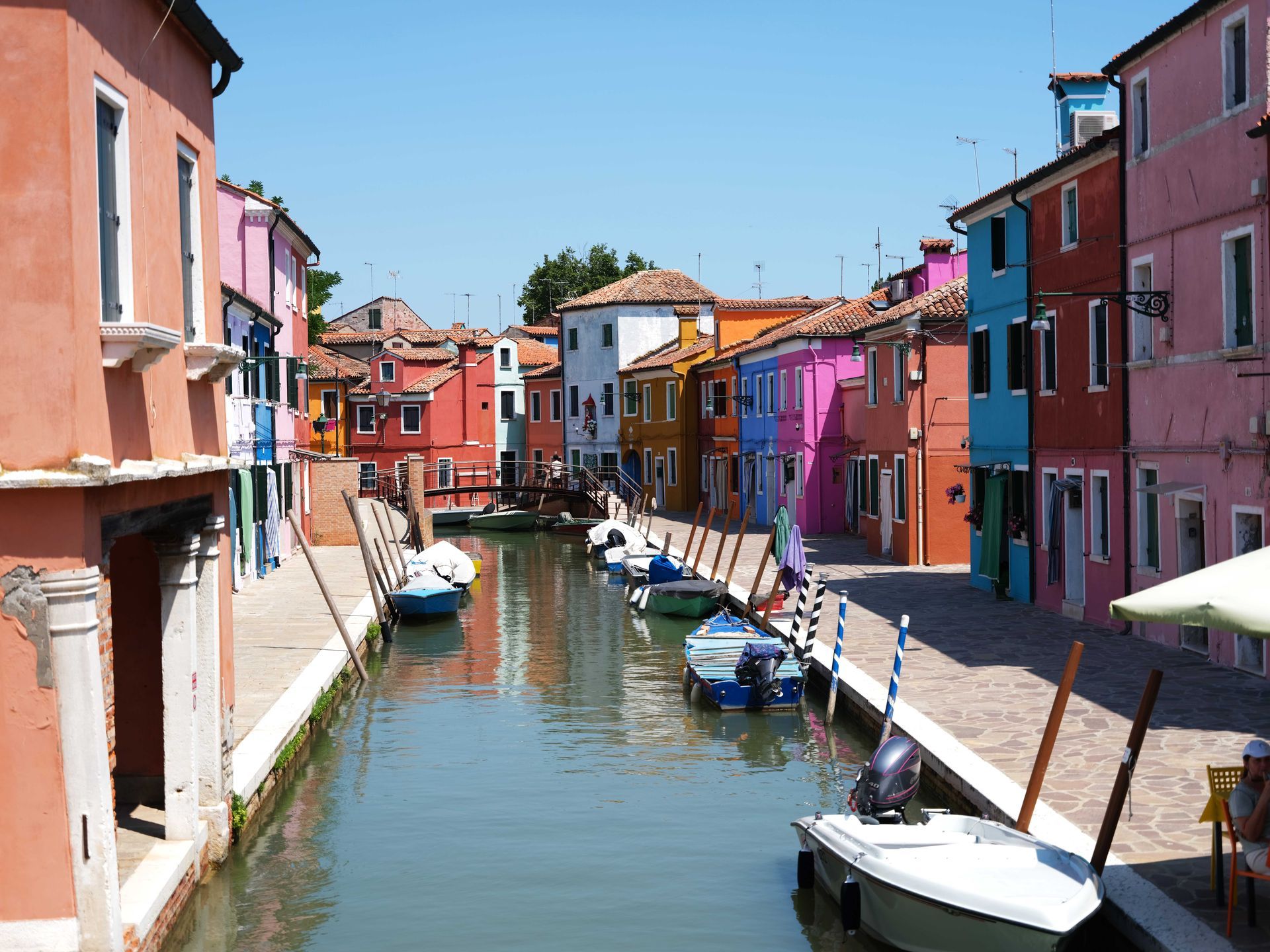
Erfahren Sie, warum die Häuser auf Burano so bunt sind: Fischerlegenden im Nebel, Traditionen und Regeln, die den einzigartigen Charme der Insel bewahren.
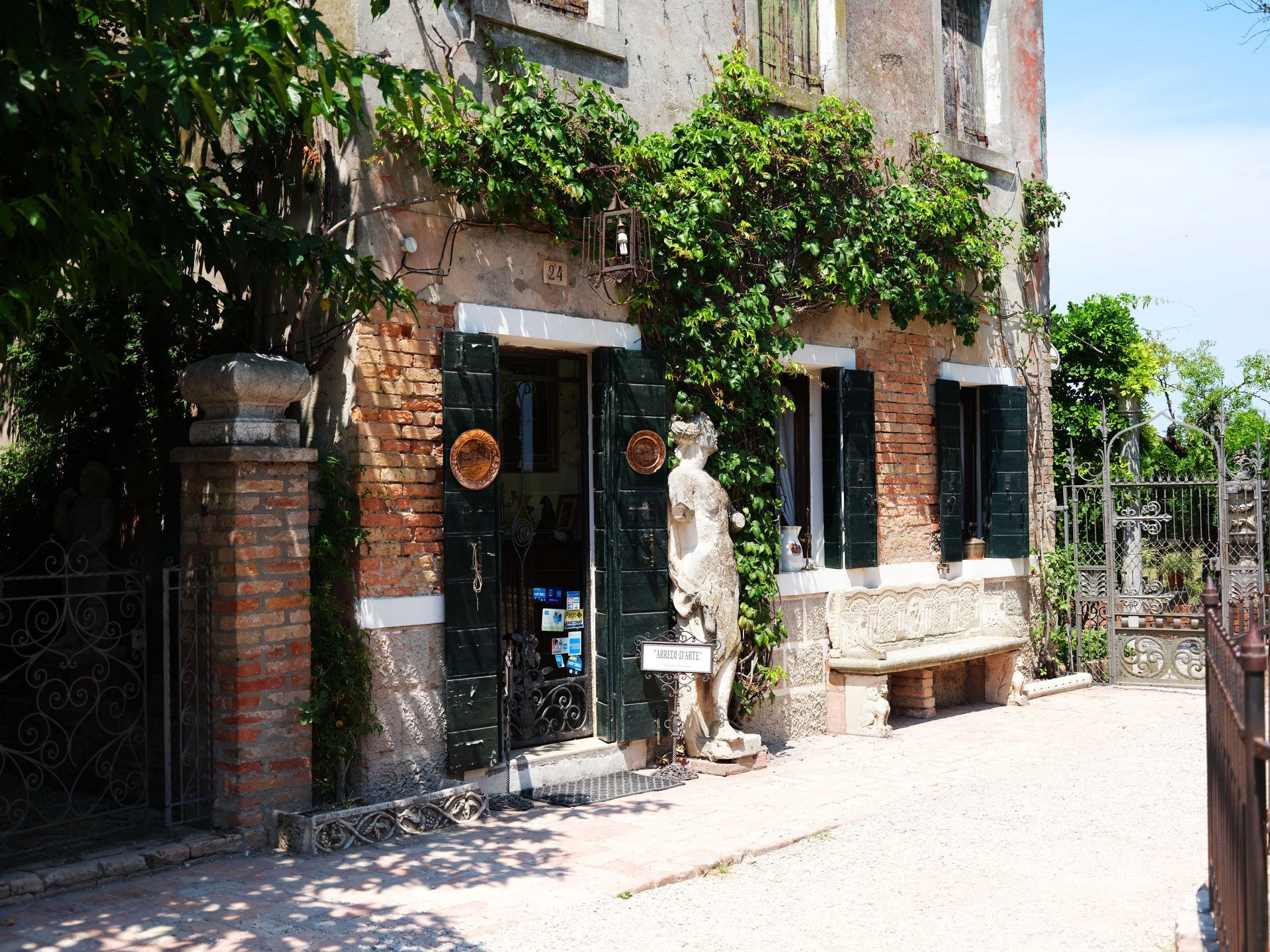
Heute ist Torcello eine ruhige Insel, doch einst war sie eines der bedeutendsten und bevölkerungsreichsten Zentren der Lagune.

Entdecken Sie das Bussolà di Burano, das traditionelle venezianische Buttergebäck in Ring- oder S-Form, das einst die Häuser der Fischer durchduftete.
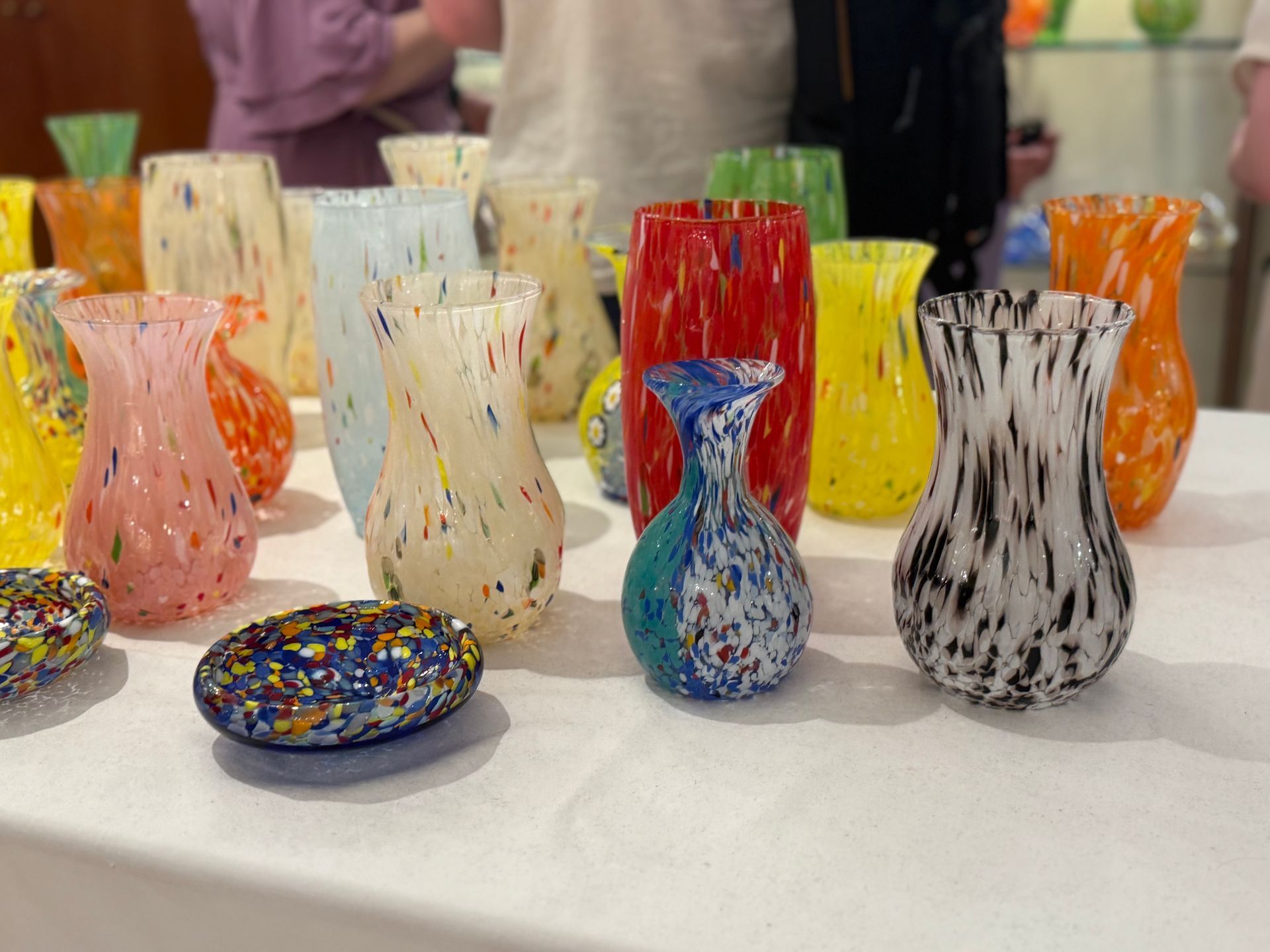
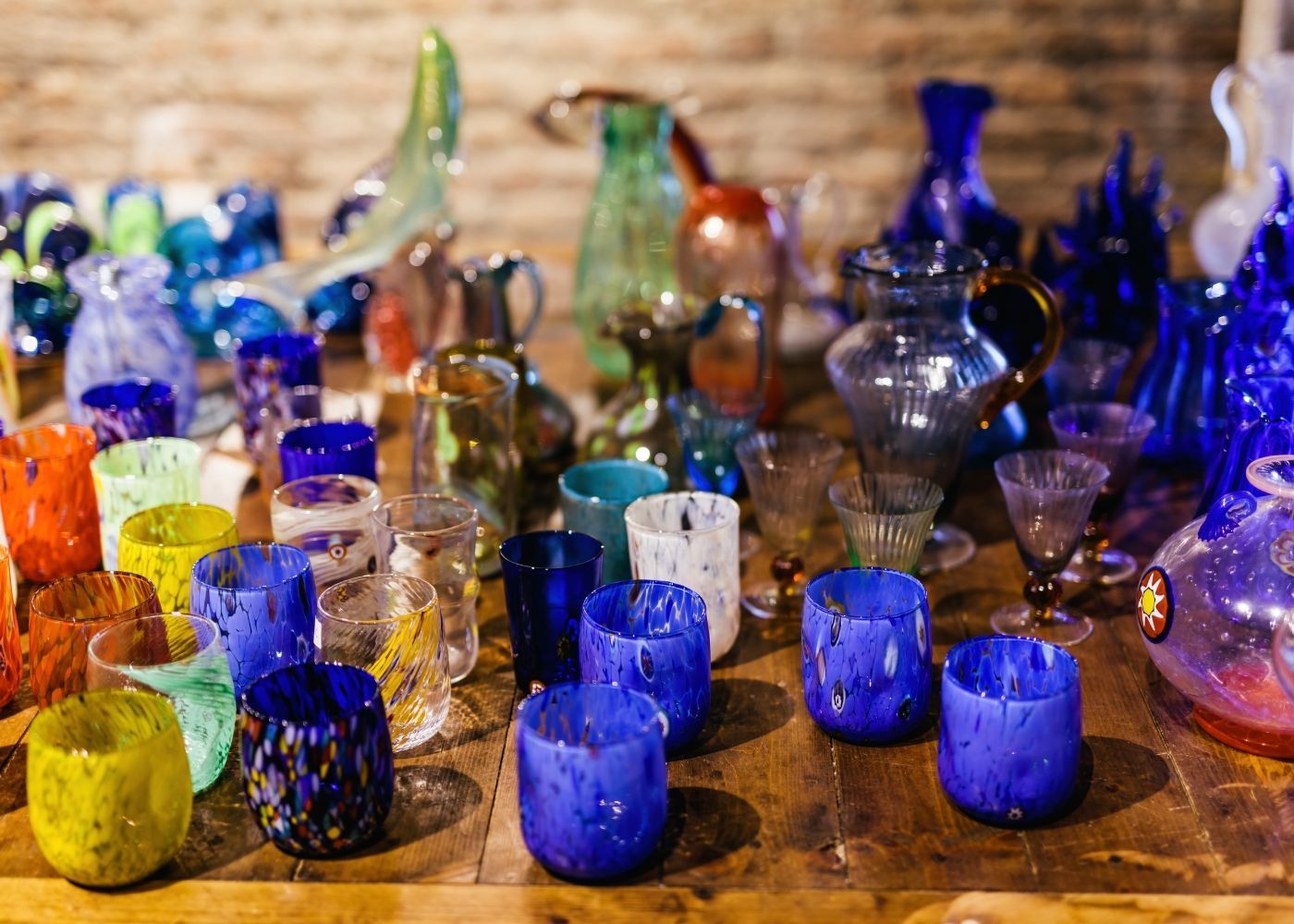
Entdecken Sie die Magie des Muranoglases: eine faszinierende Reise durch Feuer, Kunst und von Generationen überlieferte Handwerksgeheimnisse.
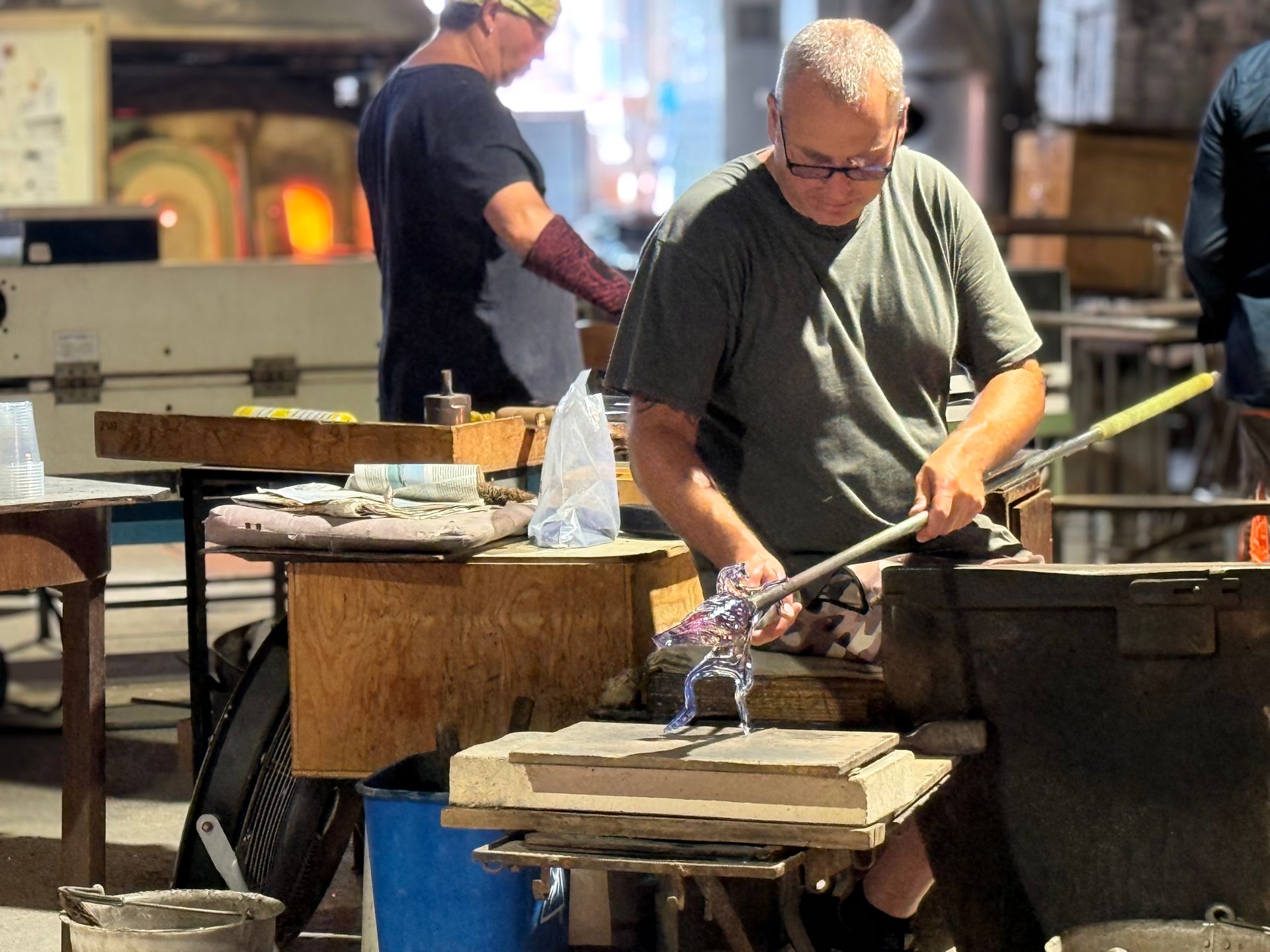
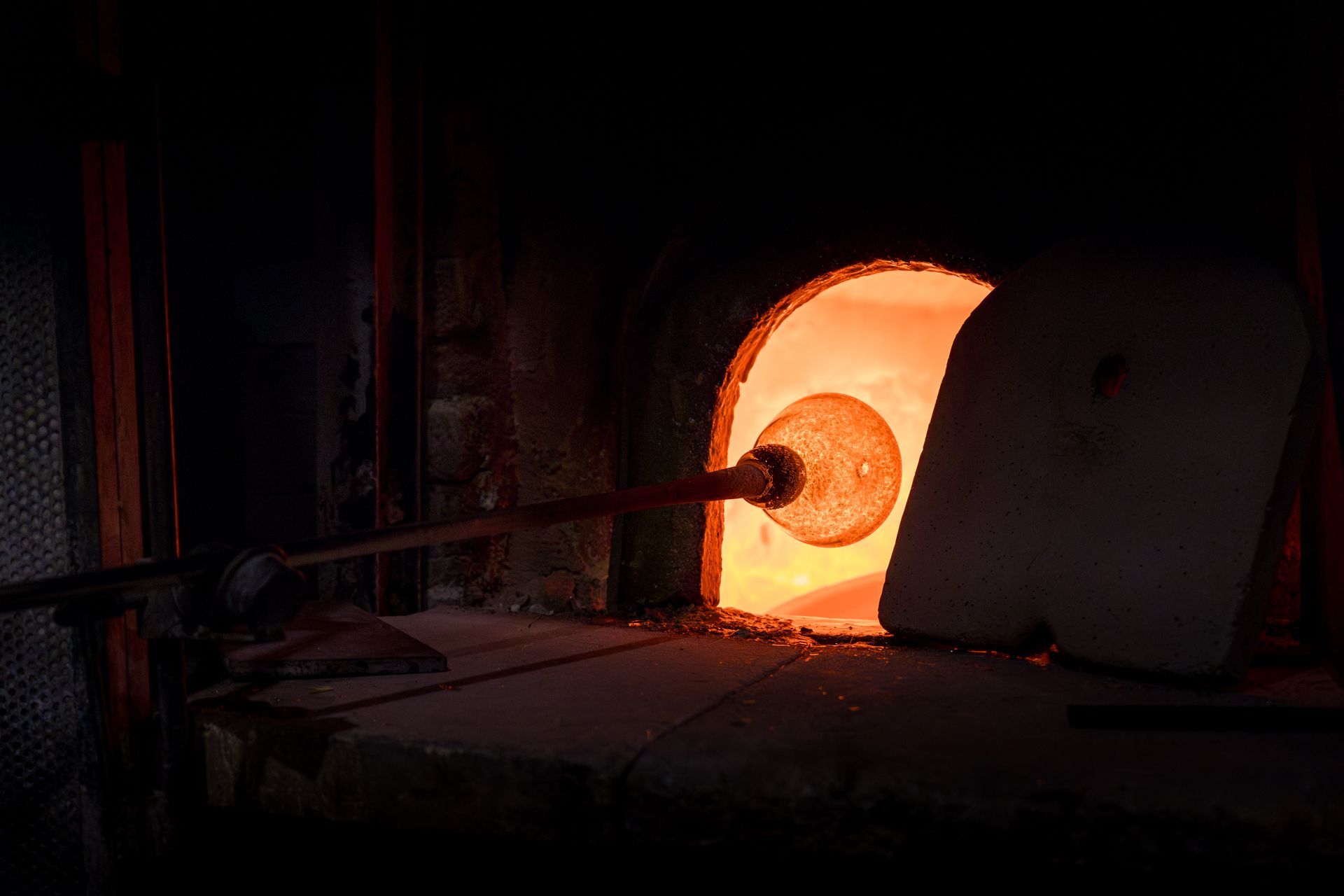
Die Geschichte des Glases in Murano begann offiziell im Jahr 1291, als die Republik Venedig beschloss, einen Großteil der Glasöfen aus dem Stadtzentrum hierher zu verlegen. Der Grund war sehr praktisch: Venedig bestand fast vollständig aus Holz und Brände waren eine ständige Gefahr. Die Öfen arbeiteten bei extrem hohen Temperaturen und schon ein kleiner Funke konnte in den dicht besiedelten Stadtvierteln große Schäden verursachen. Deshalb wurden die Glasmeister nach Murano verlegt – nah genug, um unter der Kontrolle der Serenissima zu bleiben, aber getrennt genug, um die Risiken zu verringern. Innerhalb weniger Jahrzehnte verwandelte sich die Insel vollständig. Neue Handwerkerfamilien kamen hinzu, spezialisierte Werkstätten entstanden und das Murano-Glas wurde zu einem der wertvollsten Exportprodukte Venedigs. Noch heute kann man bei einem Spaziergang entlang der Fondamenta dei Vetrai gut erkennen, wie die Insel organisiert war: Die zum äußeren Kanal gerichteten Seiten waren die eigentlichen Arbeitsbereiche, mit Zugängen für das Entladen von Materialien, Öffnungen für den Warentransport und Bereichen für die Produktion. Sand, Holz, Mineralien und Soda wurden per Boot angeliefert – genauso wie Kronleuchter und fertige Glasobjekte, die für europäische und internationale Märkte bestimmt waren. Auf der gegenüberliegenden Seite entstanden nach und nach Werkstätten und Geschäfte entlang der Fondamenta, wo Händler ihre Arbeiten Besuchern und ausländischen Käufern präsentierten. Mein Onkel sagte immer, dass man in Murano Glas sogar am Klang erkennen könne. In einer Glasofenwerkstatt herrschte niemals Stille: das stetige Rauschen des Feuers, Metallwerkzeuge auf den Arbeitstischen und die langsam rotierenden Glasbläserrohre, während das glühende Glas Form annahm. Aus technischer Sicht erfordert Murano-Glas ein außergewöhnliches Wissen über Materialien und Temperaturen. Die Glasmeister mischen Silizium, Soda und andere Mineralien und erhitzen alles auf Temperaturen von über tausend Grad. Schon wenige Sekunden zu viel können eine gesamte Arbeit ruinieren. Im Laufe der Jahrhunderte entwickelte Murano Techniken, die weltweit berühmt wurden: venezianisches mundgeblasenes Glas, lattimo-Glas ähnlich wie Porzellan, farbige Murrinen, Filigrandekorationen und Spiegel, die königliche Paläste in ganz Europa schmückten. Lange Zeit versuchte die Republik sogar zu verhindern, dass Glasmeister Venedig verließen, um die Geheimnisse der Herstellung zu schützen. Heute lebt Murano weiterhin zwischen handwerklicher Tradition und Tourismus. Viele historische Glasöfen sind noch aktiv und einem Glasmeister bei der Arbeit zuzusehen gehört zu den faszinierendsten Erlebnissen der venezianischen Lagune. Wenn du Murano in deinem eigenen Tempo entdecken möchtest, probiere auch Easy Guide Venice aus: Dort kannst du geolokalisierte Audioguides zu den Inseln der Lagune hören und Geschichten sowie weniger bekannte Ecken Venedigs entdecken.
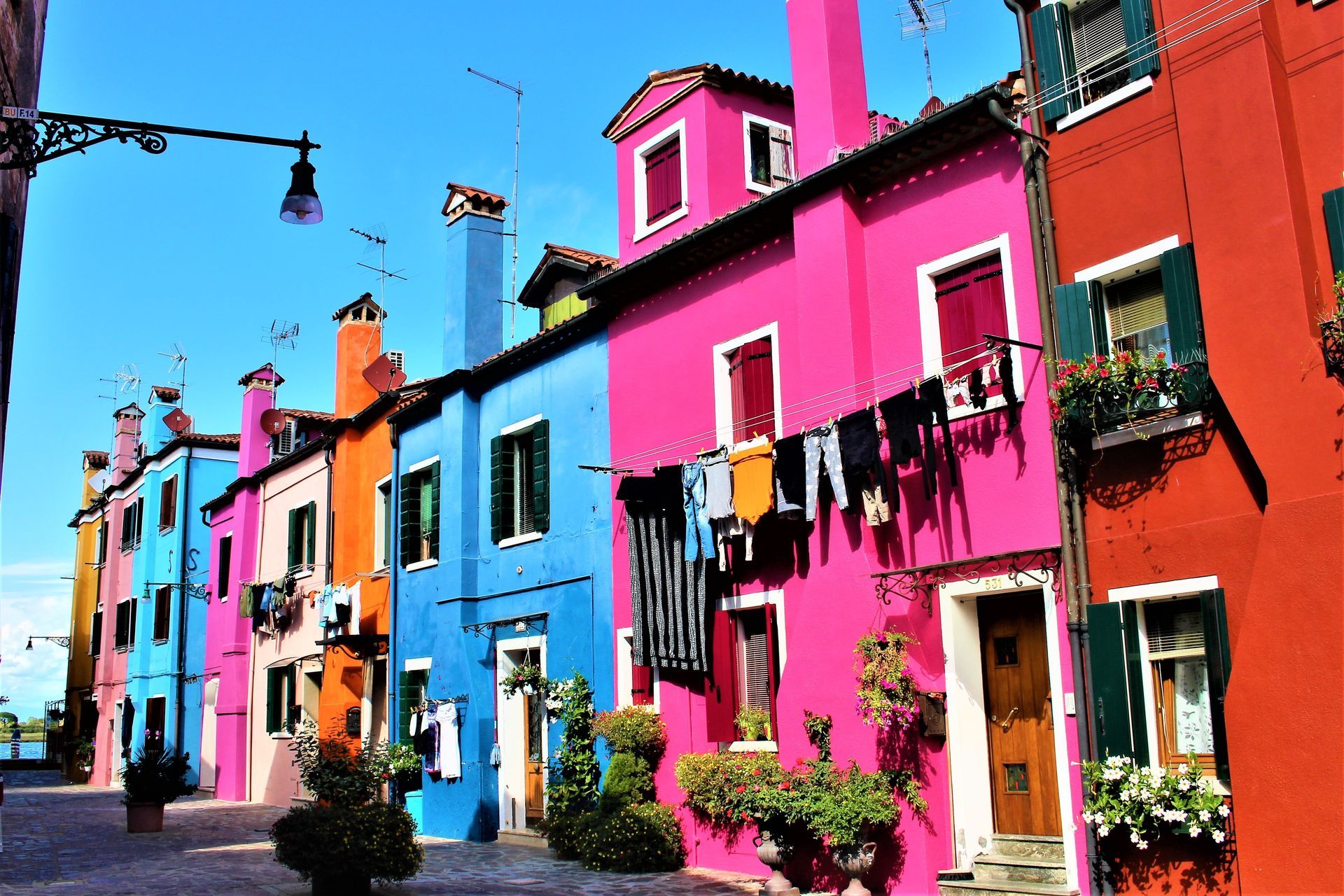
Entdecken Sie die Legende der Spitze von Burano: Eine Geschichte über Sirenen, Treue und einen magischen Schleier aus Meerschaum, der Weltruhm erlangte.
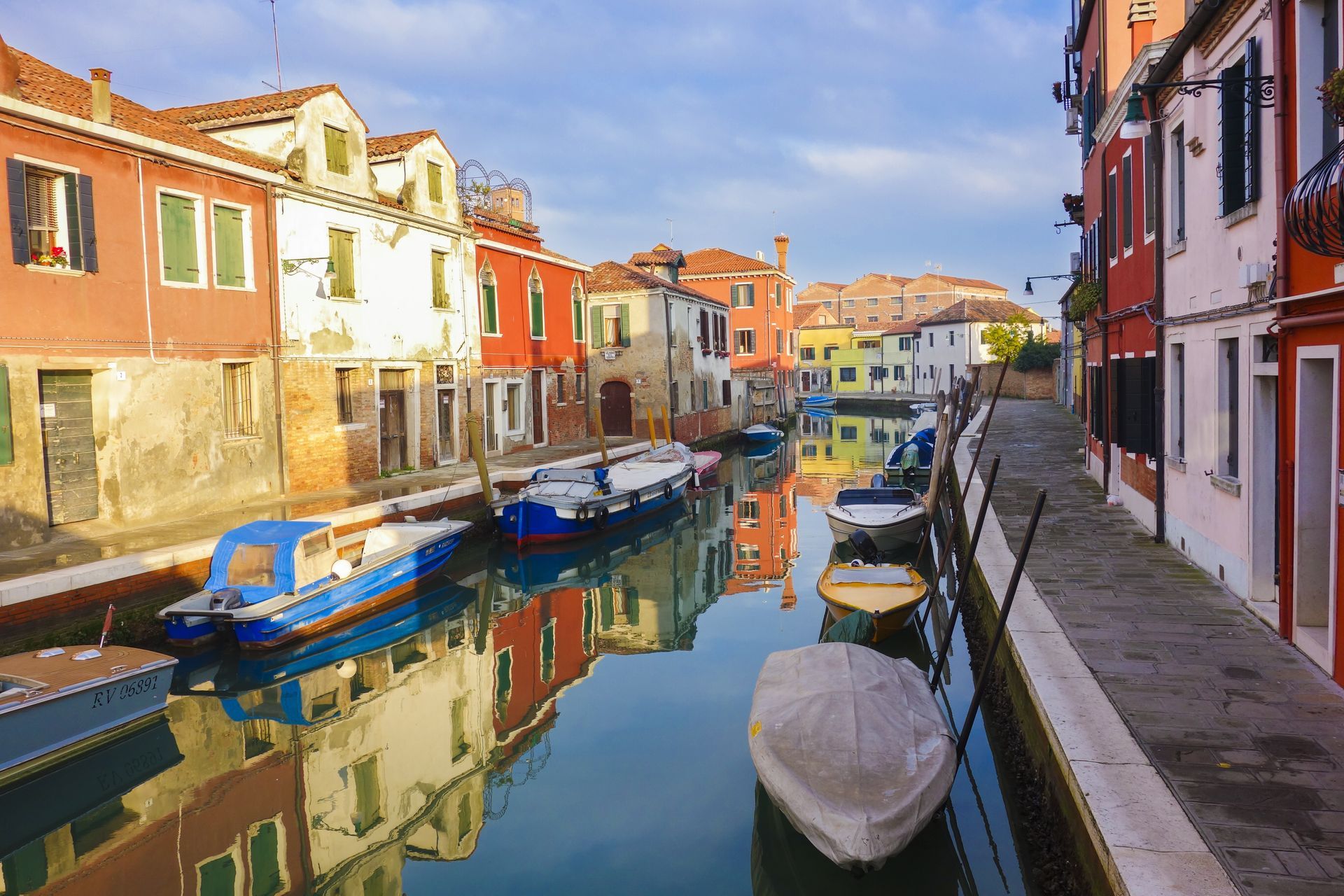
Erleben Sie das wahre Murano: Entdecken Sie die Insel durch den Klang der Glasöfen, erfahrene Hände und die stille Magie der Kanäle abseits der Touristenströme.