


BLOG
Murano Burano Posts Blog
Discover why Burano's bell tower leans, how this unique phenomenon developed, and what it reveals about the history and geology of the Venetian Lagoon.
Among the creations that have made Murano famous around the world, the chandelier holds a special place . Its elegant shapes, the brilliance of the crystal and the decorations crafted entirely by hand are the result of a tradition that combines art, technique and craftsmanship, yet its history is much more recent than that of glassmaking itself. For centuries, in fact, the furnaces of Murano mainly produced everyday objects : glasses, goblets, mirrors and precious pieces intended for noble families and European courts. Homes were lit almost exclusively by candles and oil lamps , held up by frames of wood, iron or bronze, while glass was used mainly to embellish windows and household furnishings. It was between the late 17th and the 18th century that Murano's masters began to turn the chandelier into a work of art . Venetian noble residences and European courts demanded ever richer and more spectacular pieces, able to reflect candlelight and become the centrepiece of formal reception rooms. This was when the famous Rezzonico chandelier was born, still considered today one of the symbols of Murano's glassmaking art. Featuring numerous arms arranged on several tiers , it is decorated with hand-modelled flowers, leaves, fruit and scrolls . Each element is made individually and helps create the harmonious whole that makes every chandelier a one-of-a-kind piece . With the arrival of electric lighting , Murano chandeliers continued to evolve in design and size, without giving up the traditional techniques handed down from generation to generation . Alongside the classic models, contemporary interpretations have emerged, but handcraftsmanship remains the hallmark of every creation . How a Murano chandelier is made Making a chandelier requires the work of several specialised craftsmen . The metal frame is prepared separately, while in the furnaces every glass element is shaped one by one : arms, cups, flowers, leaves, pendants and decorations. Each component is blown or hot-worked , cooled slowly and finished before being assembled. Only when all the pieces are ready does assembly begin, a stage that requires great precision and experience . In the most important models, the number of elements can reach several hundred , and assembly can take several days of work . Once completed, the chandelier is often taken apart for transport and reassembled directly at its final destination . To this day, Murano's furnaces create large installations for historic palaces, hotels, theatres, embassies and private residences all over the world . Visiting a Murano glass furnace lets you observe this extraordinary work up close. Behind every chandelier lie hours of work, hundreds of precise gestures and knowledge that has been passed down for over seven centuries , keeping alive one of the most refined expressions of Venetian craftsmanship
Discover how authentic Burano lace is made: the traditional needle lace technique and the heritage passed down through generations of lacemakers.
When you think of Venetian glass, Murano naturally springs to mind straight away. And yet, for several centuries, the furnaces were not on the island . Before 1291 , glassmakers worked mainly in Venice , spread across different parts of the city. The furnaces stood close to homes, warehouses and the canals along which raw materials arrived and finished pieces left for the markets of the Mediterranean . Glassmaking was already highly developed . The masters knew the techniques of glassblowing, hot shaping and decoration , skills born from the meeting of the Roman tradition and knowledge from the Byzantine East . Venice, a crossroads of trade and cultures , had managed to gather and refine this experience. But there was a problem. The furnaces ran day and night and reached extremely high temperatures . In a city built almost entirely of wood, the risk of fire was constant . The Venetian authorities therefore decided to move all the furnaces to Murano , an island close enough not to disrupt the craftsmen's work, yet separate enough to reduce the dangers to the city. The decision of 1291 did not mark the beginning of Venetian glassmaking, but a turning point in its history . By bringing the masters together in one place, the Republic encouraged the rise of a highly specialised centre , where techniques could be perfected and handed down from generation to generation. From that moment on, the name Murano began to become synonymous with excellence . Even today, as you stroll through the island's calli, it is hard to imagine that it all began with the experience built up over centuries in Venice's furnaces. Yet it was precisely that move, decided more than seven hundred years ago , that turned Murano into the world capital of artistic glass . Visiting Murano means retracing this extraordinary evolution. Stepping into a furnace and watching the master glassmakers at work helps you understand how an ancient tradition, born in Venice and perfected on the island , still lives on today before visitors' eyes .
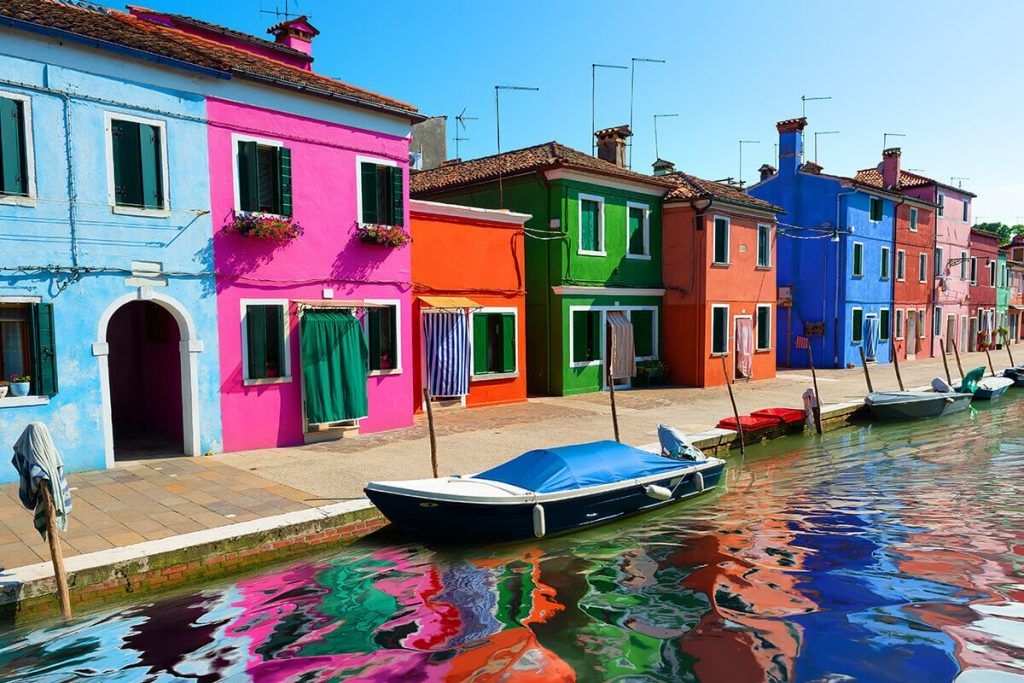
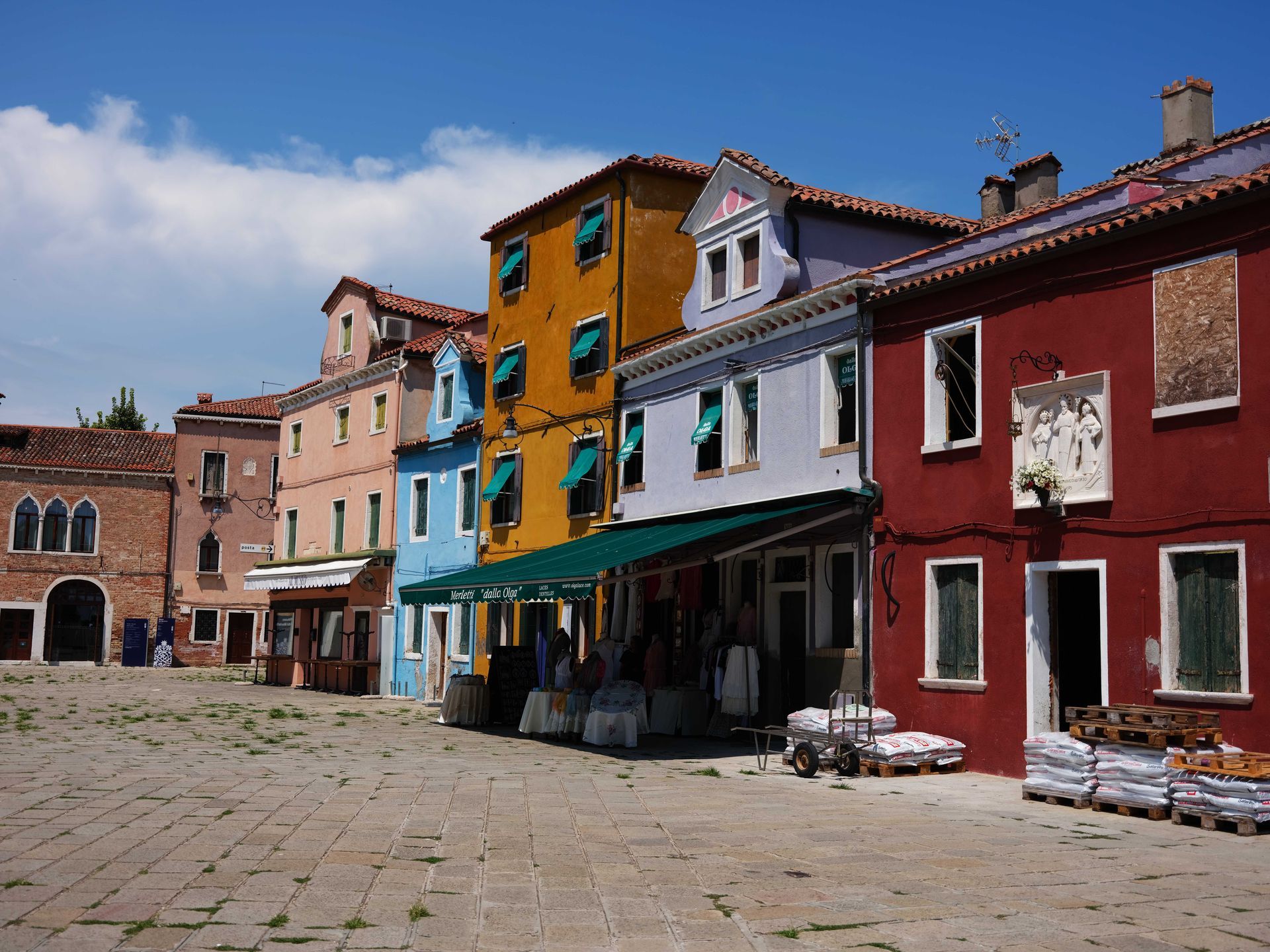
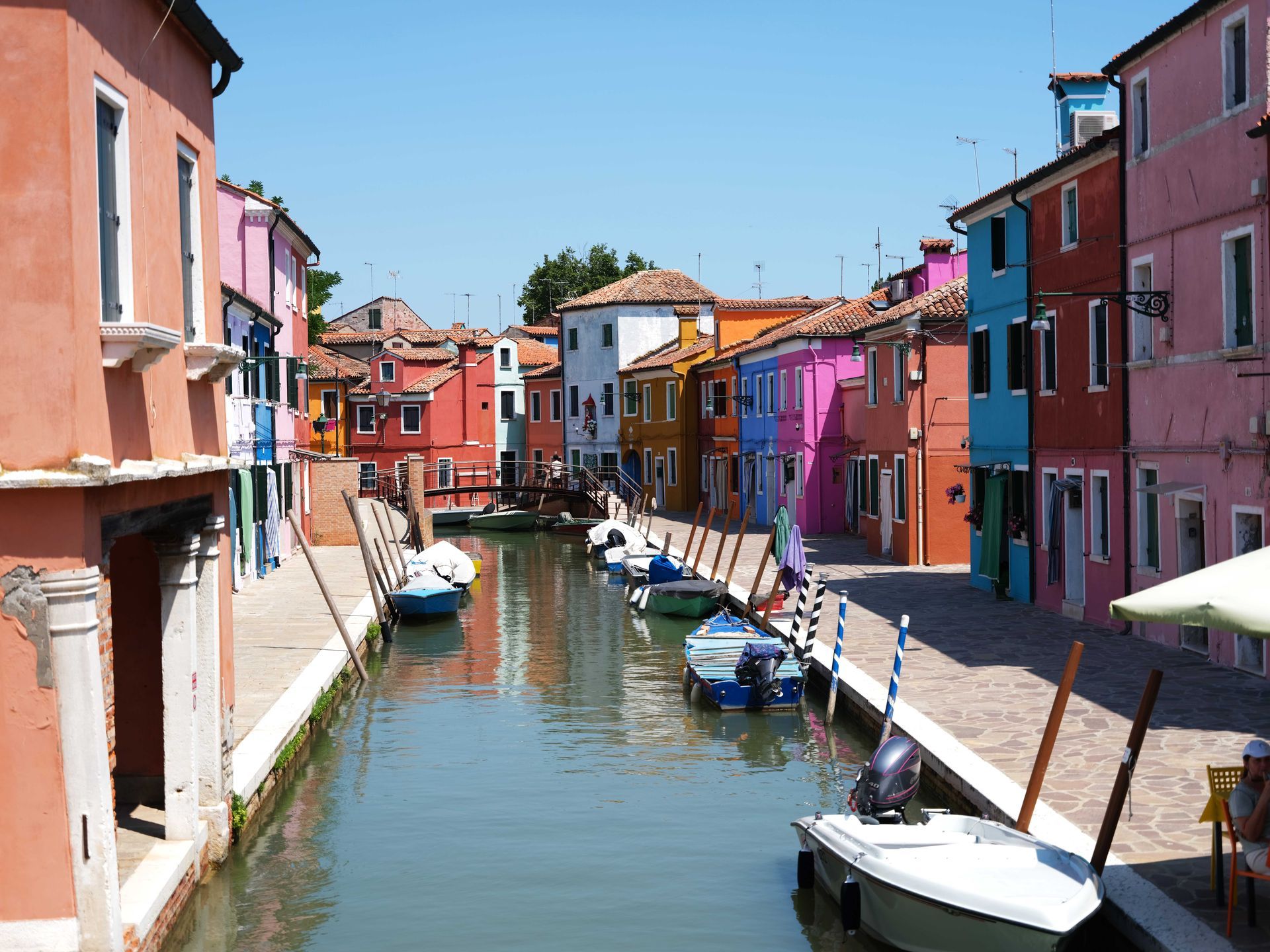
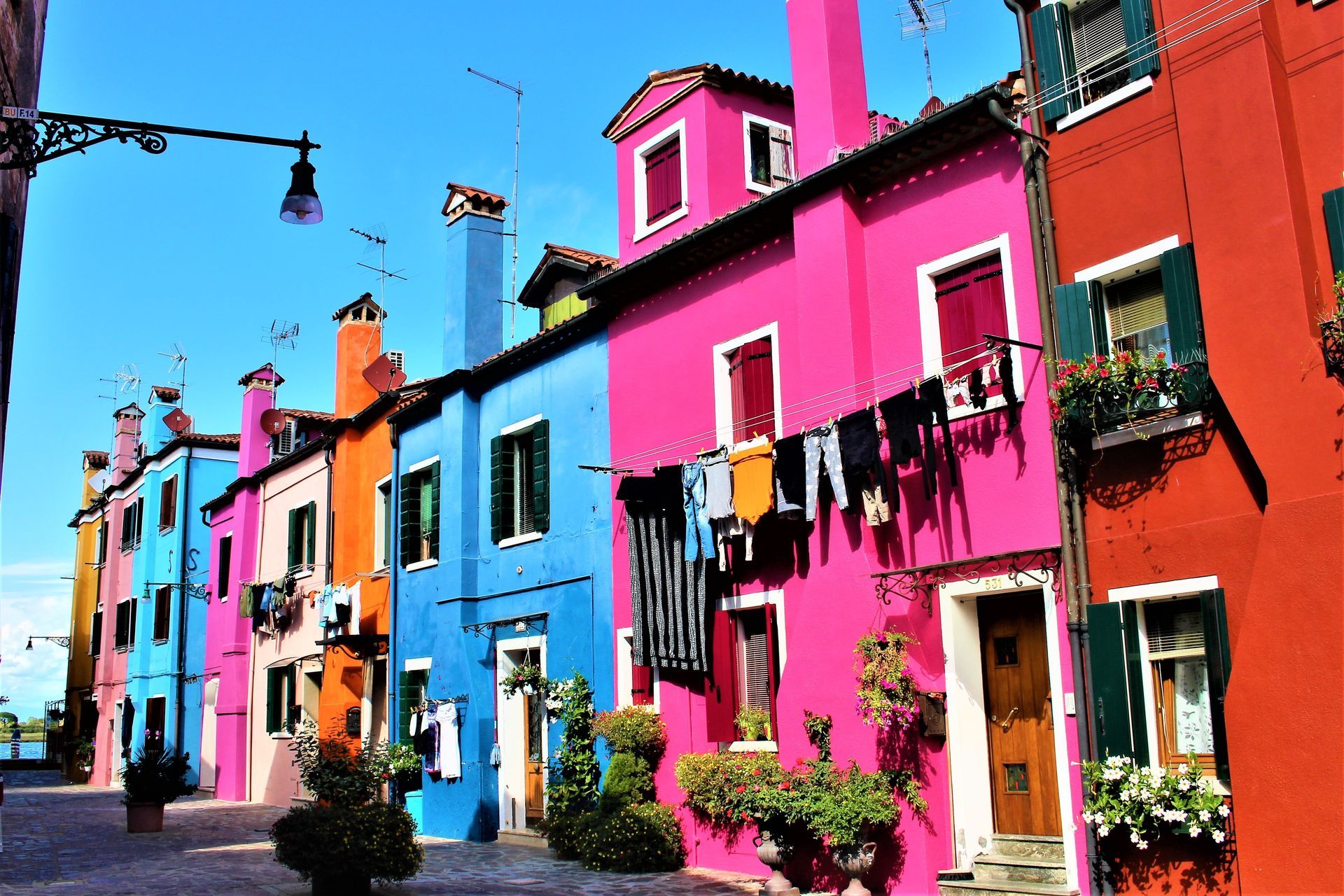
Discover why the houses of Burano are so colorful: from stories of fishermen in the fog to traditions and rules that preserve this unique, vibrant island.
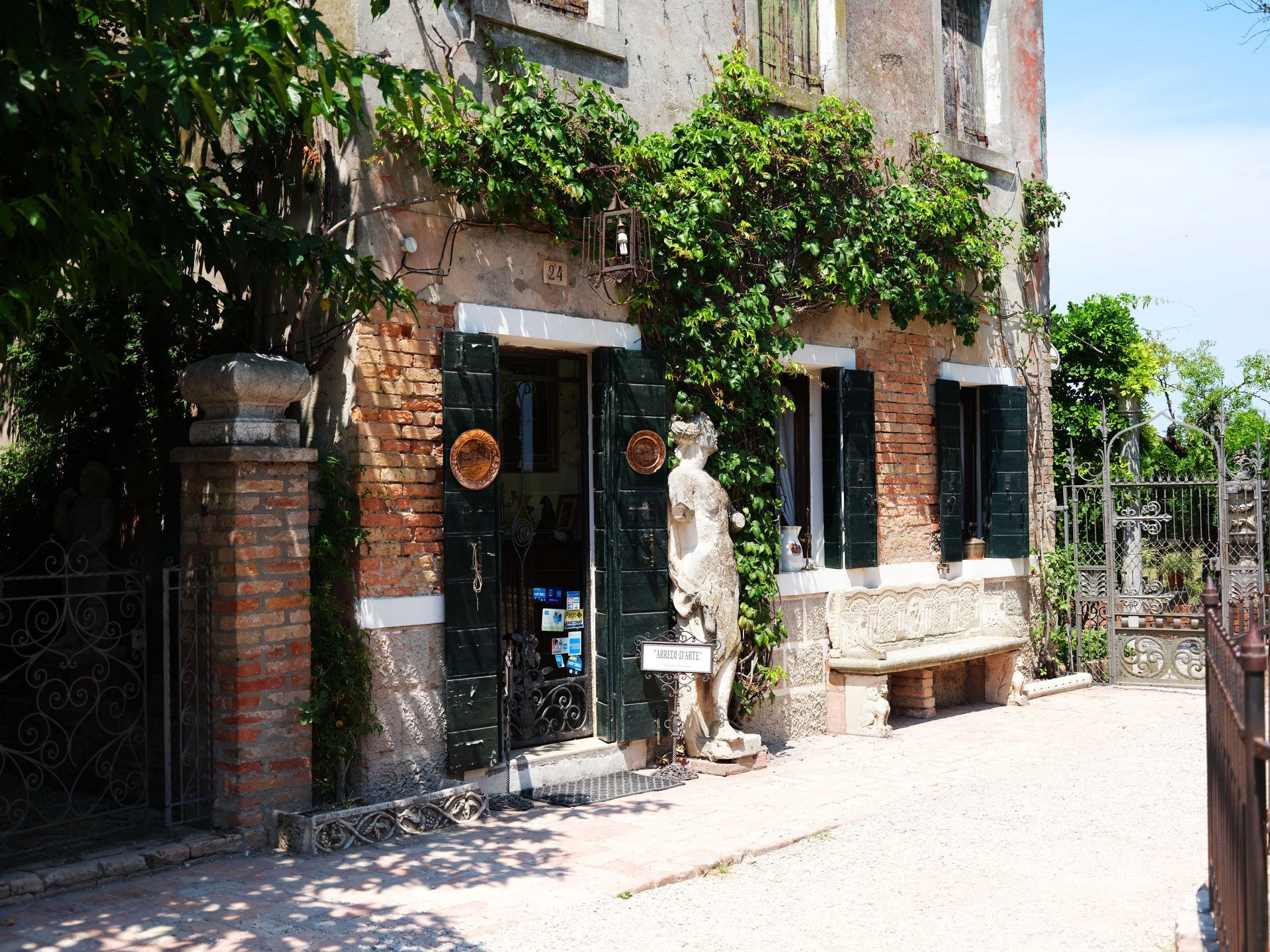
Today Torcello is the quietest island in the lagoon, but for centuries it was one of the most important and populated centers in the Venetian area.

Discover the history of Bussolà di Burano, the authentic Venetian butter cookie shaped like a ring or an "S", deeply rooted in local fishing traditions.
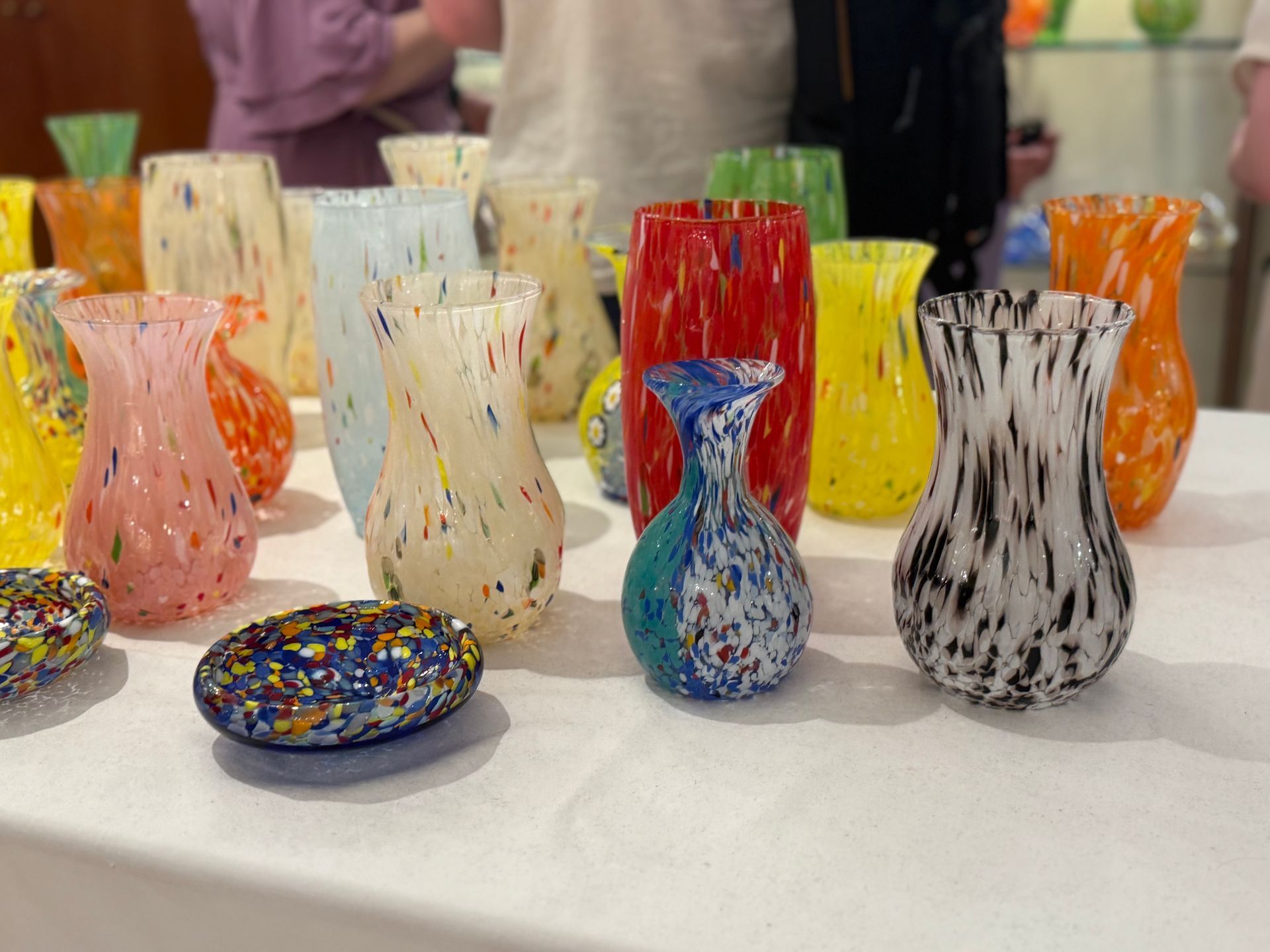
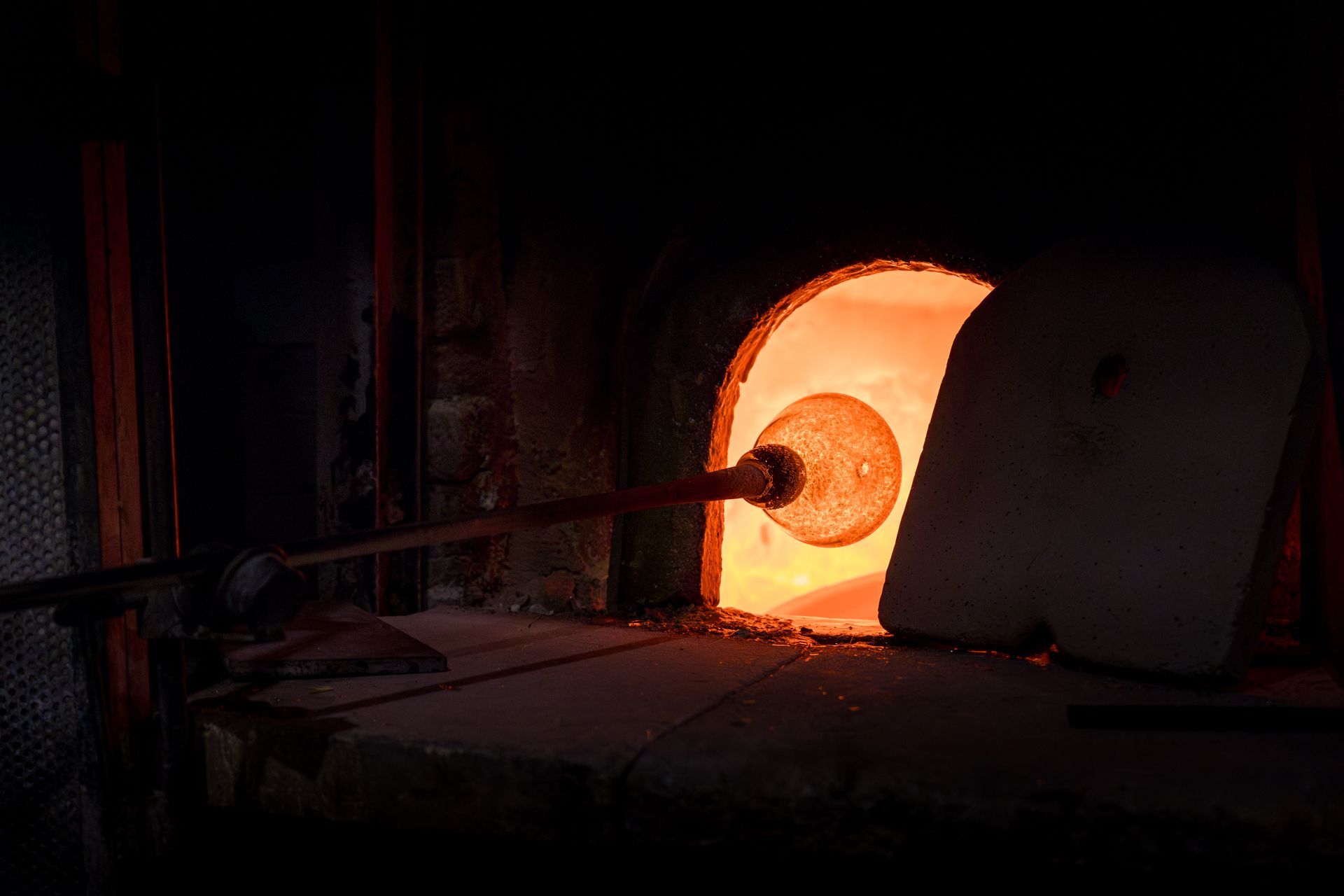
Discover the magic of Murano blown glass: a fascinating journey through fire, art, and traditional secrets passed down for generations.
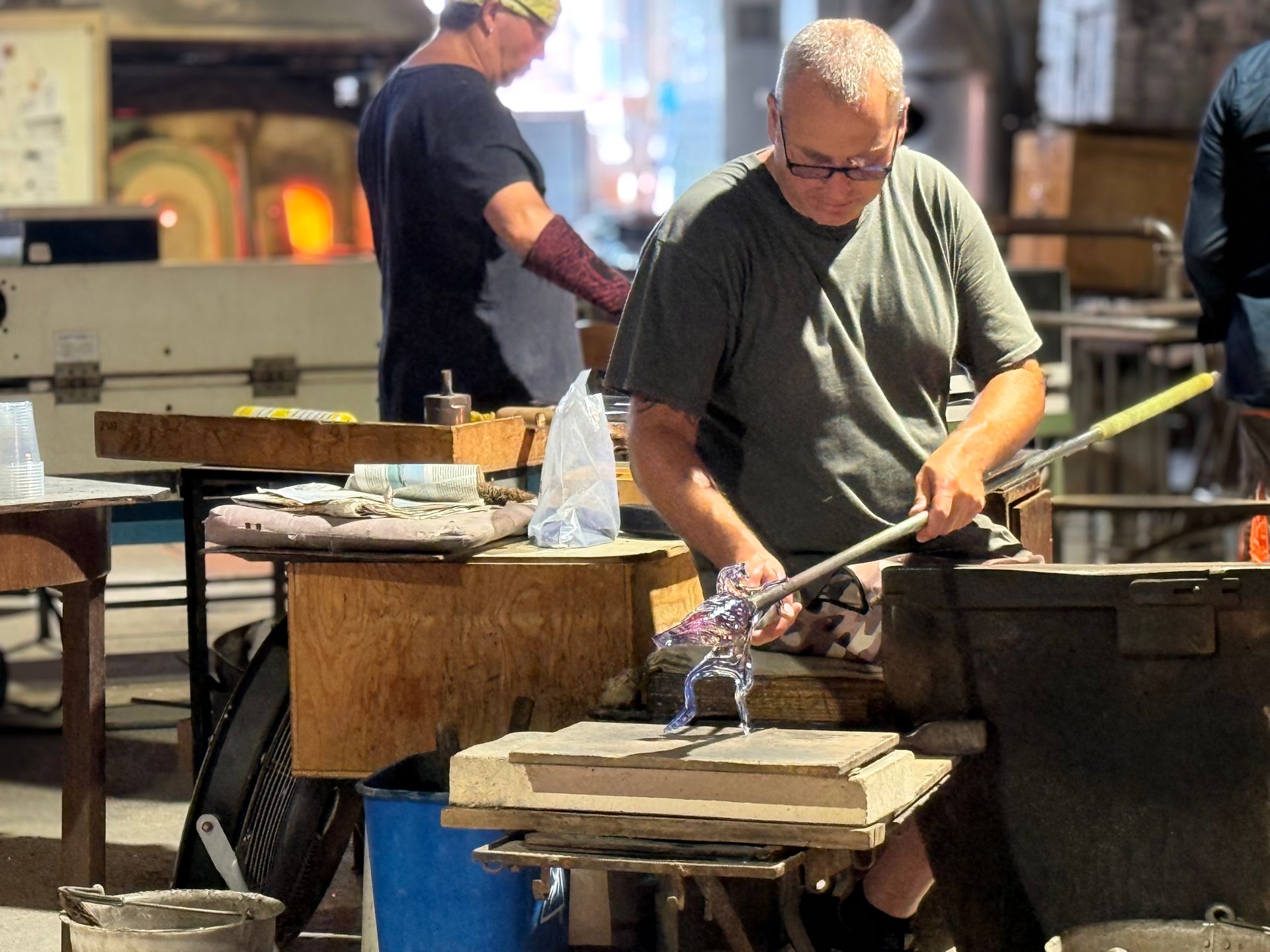
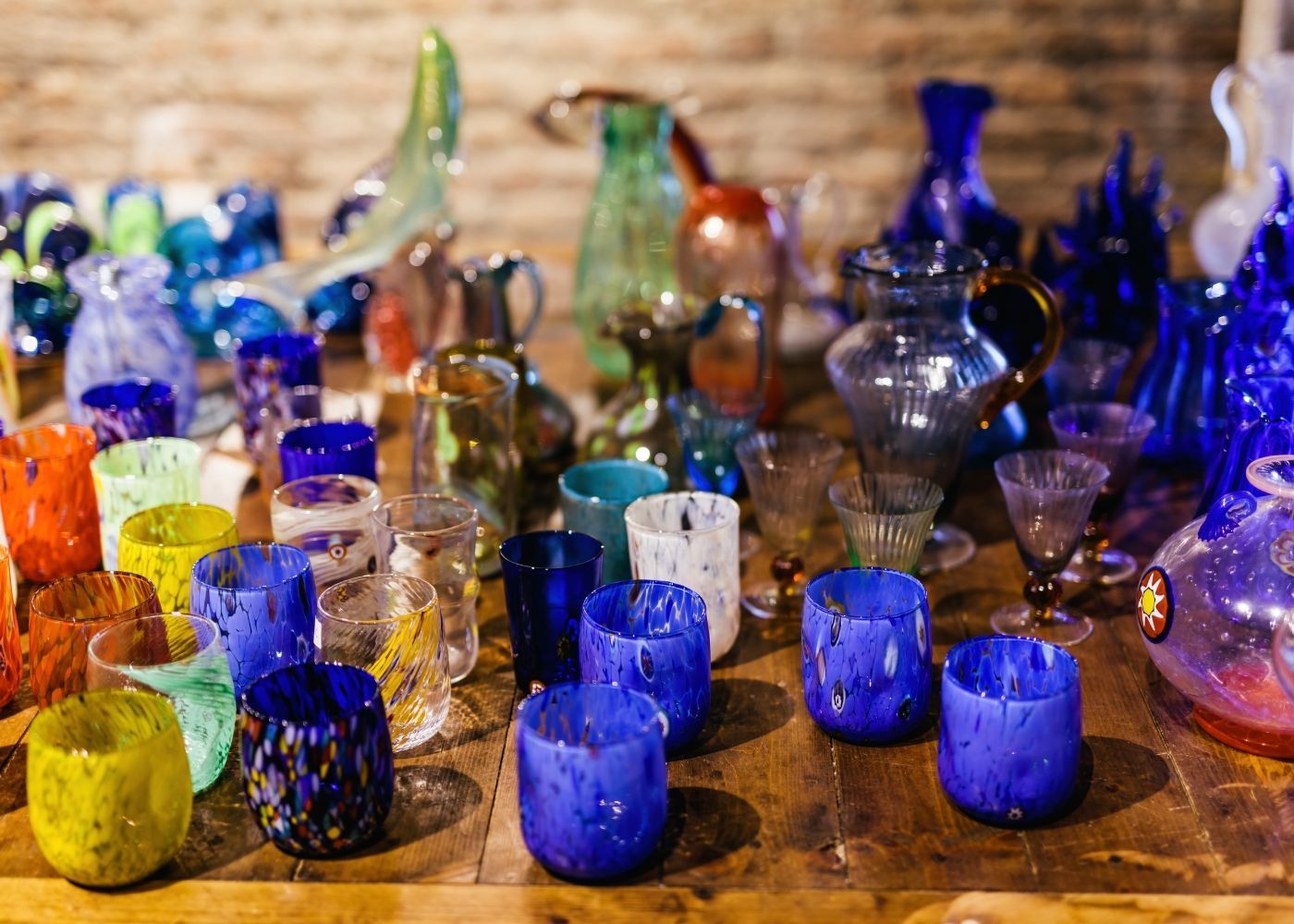
People go to Murano to see glass. Furnaces, master glassmakers and objects displayed in the workshops have been part of the island’s identity for centuries. The history of glassmaking in Murano officially began in 1291, when the Republic of Venice decided to move most of the furnaces that had previously been located in the city center. The reason was very practical: Venice was built almost entirely of wood and fires were a constant danger. The furnaces worked at extremely high temperatures and it took very little to cause disasters in the crowded districts of the city. So the master glassmakers were moved to Murano, close enough to remain under the control of the Serenissima but separate enough to reduce the risks. Within a few decades the island was completely transformed. New artisan families arrived, specialized workshops were created and Murano glass became one of the most valuable products exported by Venice. Even today, while walking along Fondamenta dei Vetrai, it is easy to understand how the island was organized: the sides facing the outer canals were the most operational areas, with entrances for unloading materials, openings for transporting goods and spaces connected to production. Sand, wood, minerals and soda arrived by boat, just like chandeliers and finished objects destined for European and international markets. On the opposite side, shops and workshops gradually developed along the fondamenta, where merchants could display their works to visitors and foreign buyers. My uncle always used to say that in Murano you could recognize glass even by its sound. Inside a furnace there was never silence: the constant roar of the fire, metal tools resting on the benches, the blowing pipes slowly turning while the glowing glass took shape. From a technical point of view, Murano glass requires extraordinary knowledge of materials and temperatures. Master glassmakers mix silica, soda and other minerals, then heat everything to temperatures above one thousand degrees. Just a few extra seconds can compromise an entire piece of work. Over the centuries Murano developed techniques that became famous all over the world: Venetian blown glass, lattimo glass similar to porcelain, colorful murrine, filigree decorations and mirrors that adorned royal palaces throughout Europe. For a long time the Republic even tried to prevent master glassmakers from leaving Venice in order to protect the secrets of the craft. Today Murano continues to live between artisanal tradition and tourism. Many historic furnaces are still active and watching a master glassmaker at work remains one of the most fascinating experiences in the Venetian lagoon. If you want to explore Murano at your own pace, try also Easy Guide Venice : you can listen to geolocated audio guides dedicated to the lagoon islands and discover stories and lesser-known corners of Venice.
Discover the legend of Burano lace: a tale of sirens, a loyal fisherman, and a magical wedding veil created from sea foam by the Queen of the Sea.